
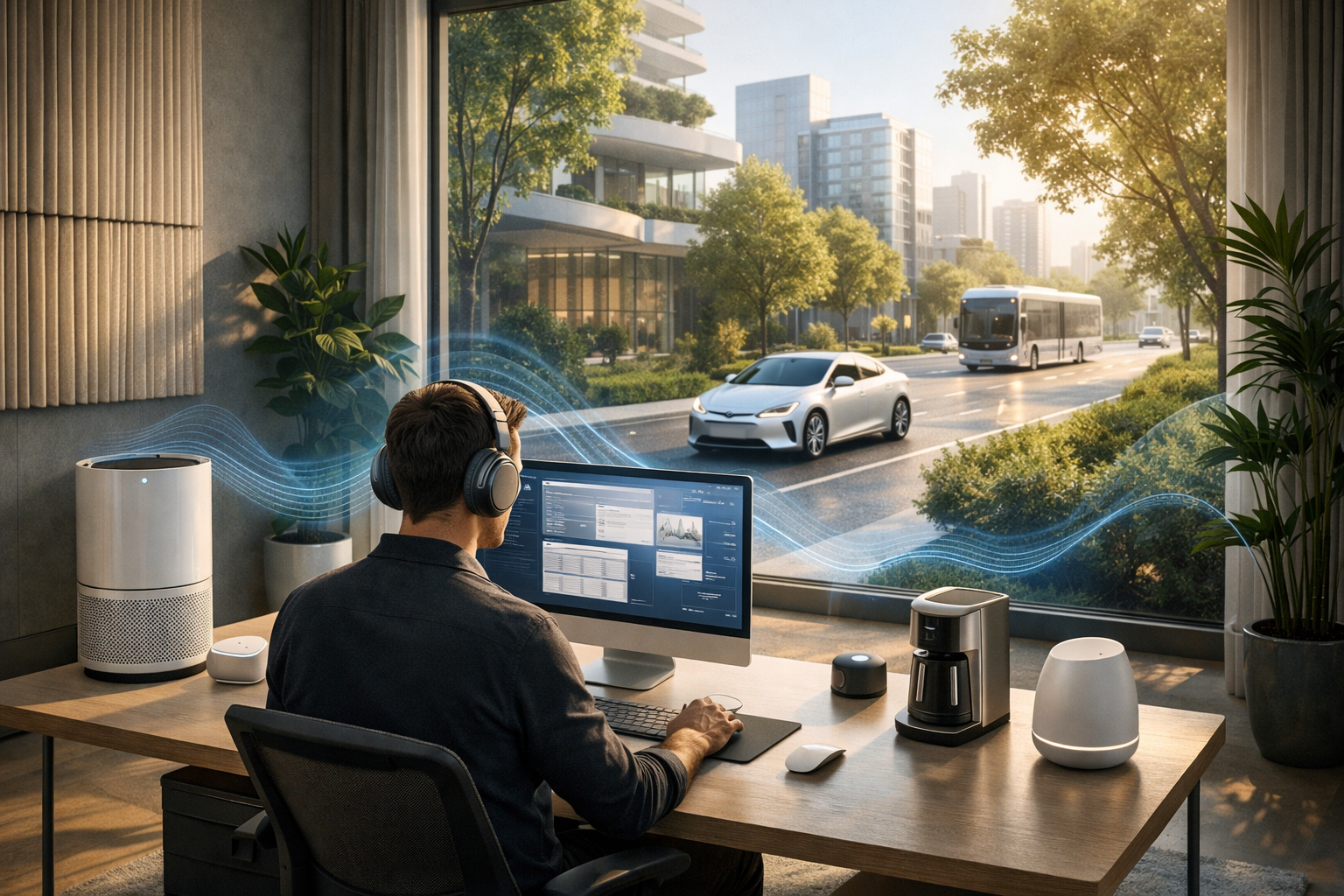
Modern life is loud. Traffic, construction, humming appliances, buzzing fans, and clattering keyboards fill our days with noise we barely notice anymore — until it’s gone. That’s where quiet technologies come in. From noise-cancelling headphones to whisper-quiet electric cars, engineers and designers around the world are working hard to reduce noise pollution and bring calm back into our homes, offices, and cities.
In this article, we’ll explore what quiet technologies are, why they matter, the different types available today, and how you can bring more of them into your own life.
What Are Quiet Technologies?
Quiet technologies refer to any tools, devices, materials, or systems specifically engineered to reduce noise output or block unwanted sound. Unlike traditional products that simply “work,” quiet technologies are designed with acoustics in mind from the very start.
They can be grouped into two broad categories:
- Noise-reducing technologies – devices that minimize the sound they produce (like a silent dishwasher or an electric vehicle).
- Noise-blocking technologies – tools or materials that stop external sound from reaching you (like soundproof windows or noise-cancelling earbuds).
Both categories share the same goal: creating a calmer, healthier, and more focused environment.
Why Quiet Technologies Matter
Noise isn’t just annoying — it has real effects on our health, productivity, and wellbeing. Here’s why the shift toward quieter innovation is gaining momentum.
- Health impact: Chronic exposure to noise is linked to stress, poor sleep, and even cardiovascular issues.
- Productivity: Constant background noise makes it harder to focus, especially in open offices or shared workspaces.
- Urban living: As cities grow denser, noise pollution from traffic and construction is becoming a bigger problem.
- Remote work culture: With more people working from home, a quiet environment has become essential for calls, meetings, and deep work.
- Environmental awareness: Quieter technologies (like EVs) often go hand-in-hand with cleaner, more energy-efficient design.
Types of Quiet Technologies
Let’s look at the major categories of quiet technologies shaping homes, offices, and cities today.
1. Noise-Cancelling Audio Devices
Perhaps the most well-known example, noise-cancelling headphones and earbuds use microphones to detect ambient sound and generate an inverse sound wave that cancels it out. This is called Active Noise Cancellation (ANC).
- Great for travel, open offices, and focused work
- Available in over-ear, in-ear, and even wearable neck-speaker formats
- Increasingly built into laptops and conferencing tools too
2. Quiet Home Appliances
Appliance manufacturers now design products with sound insulation, vibration dampening, and smarter motors to cut down noise.
- Quiet dishwashers (some as low as 38 decibels)
- Silent-mode washing machines and dryers
- Whisper-quiet refrigerators with insulated compressors
- Low-noise air conditioners and air purifiers
3. Electric Vehicles (EVs)
Traditional combustion engines are naturally loud, but electric motors run almost silently. This has made EVs a symbol of quiet technology in transportation.
- No engine roar, only a soft hum or synthetic sound (added for pedestrian safety)
- Reduced vibration and mechanical noise
- Quieter braking systems with regenerative braking
4. Quiet Computing
Traditional computers rely on fans to cool their components, which can create a constant whirring noise. Quiet computing technologies aim to reduce or eliminate this.
- Fanless PCs using passive cooling systems
- Liquid cooling systems that run more quietly than air fans
- Solid-state drives (SSDs) that produce zero mechanical noise, unlike older hard drives
- Silent mechanical keyboards with dampened switches
5. Soundproofing Materials and Architecture
Buildings themselves are being redesigned with acoustics in mind.
- Acoustic panels and insulation in walls and ceilings
- Double- or triple-glazed soundproof windows
- Green roofs and living walls that absorb outdoor noise
- Office pods and phone booths for private, quiet calls
6. Smart Quiet Home Systems
Smart home technology is also joining the quiet revolution.
- Smart HVAC systems that adjust airflow to minimize fan noise
- Quiet smart locks and doorbells with muted alert tones
- Noise-monitoring apps that alert you when sound levels rise too high
How Quiet Technologies Work: A Simple Breakdown
You don’t need an engineering degree to understand the basics. Here’s a simplified look at the core methods used:
- Sound Absorption – Soft, porous materials (like foam or fabric panels) trap sound waves and prevent them from bouncing around a room.
- Sound Insulation – Dense materials (like concrete or specialized glass) block sound from passing through walls or windows.
- Vibration Damping – Rubber mounts and cushioning reduce the vibration that causes mechanical noise in appliances and vehicles.
- Active Noise Cancellation – Microphones detect incoming noise, and speakers produce an opposite sound wave to neutralize it.
- Smarter Engineering – Reducing the number of moving parts (like using electric motors instead of combustion engines) naturally lowers noise output.
Benefits of Adopting Quiet Technologies
Bringing quiet technology into your daily life comes with a range of benefits:
- Better sleep quality due to reduced nighttime noise
- Lower stress and anxiety levels
- Improved focus and productivity while working or studying
- More pleasant home and office environments
- Reduced noise pollution in shared or urban spaces
- Better hearing health over the long term
Comparing Popular Quiet Technologies
Here’s a quick comparison table to help you understand where different quiet technologies fit best.
| Technology | Best For | Typical Noise Reduction | Cost Range |
|---|---|---|---|
| Noise-cancelling headphones | Travel, offices, focus work | Up to 30 dB | Low to Medium |
| Quiet home appliances | Kitchens, laundry rooms | 10–15 dB lower than standard models | Medium |
| Electric vehicles | Daily commuting, city driving | Significantly quieter than combustion engines | High |
| Fanless/liquid-cooled PCs | Home offices, gaming setups | Near-silent operation | Medium to High |
| Soundproof windows | Apartments, homes near traffic | 20–40 dB | Medium to High |
| Acoustic wall panels | Offices, studios, home theaters | 10–20 dB | Low to Medium |
Quiet Technologies Across Industries
Quiet innovation isn’t limited to gadgets — entire industries are rethinking how they operate.
Healthcare
Hospitals are adopting quieter medical equipment and soundproofed patient rooms to support faster healing and better rest for patients.
Automotive
Beyond EVs, car manufacturers are investing in noise-dampening materials, quieter tires, and improved cabin insulation for a smoother ride.
Workplace Design
Modern offices increasingly include acoustic zoning — quiet rooms, phone booths, and sound-absorbing furniture — to balance collaboration with focus.
Manufacturing
Factories are using vibration-dampening machinery mounts and enclosed equipment housings to protect worker hearing and comply with safety regulations.
Smart Cities
Urban planners are experimenting with noise barriers, quieter public transport, and electric buses to reduce city-wide noise pollution.
Challenges of Quiet Technologies
While the benefits are clear, there are still a few hurdles to widespread adoption:
- Higher upfront costs: Many quiet technologies, like soundproof windows or EVs, require a bigger initial investment.
- Retrofitting difficulty: Adding soundproofing to older buildings can be complex and costly.
- Safety concerns: Extremely quiet vehicles can pose risks to pedestrians, which is why regulations now require EVs to emit a minimal warning sound at low speeds.
- Trade-offs in performance: Some quiet cooling systems, for example, may be less efficient than louder, high-powered fans.
Tips for Choosing the Right Quiet Technology for You
If you’re looking to reduce noise in your own life, here are some simple steps to follow:
- Identify your biggest noise source first — is it traffic, appliances, or your computer setup?
- Check decibel (dB) ratings when shopping for appliances or electronics; lower numbers mean quieter operation.
- Start small — noise-cancelling headphones or door draft stoppers are affordable first steps.
- Invest gradually in bigger upgrades like soundproof windows or quiet HVAC systems.
- Combine solutions — pairing sound absorption (like rugs and curtains) with sound insulation (like sealed windows) works better than relying on one method alone.
The Future of Quiet Technologies
As awareness of noise pollution grows, expect to see:
- More AI-powered noise-cancellation in everyday devices, not just headphones
- Quieter public transportation, including electric buses and trains
- Smarter building materials that adapt to sound levels in real time
- Wider adoption of quiet computing in gaming and professional workstations
- Continued growth of EVs, further reducing urban traffic noise
Quiet technology is no longer a luxury — it’s becoming a standard expectation in product design across almost every industry.
Frequently Asked Questions (FAQs)
Q1: What is the main goal of quiet technologies?
The main goal is to reduce or eliminate unwanted noise, creating healthier and more comfortable environments at home, work, and in public spaces.
Q2: Are quiet technologies expensive?
Not always. Simple solutions like noise-cancelling headphones or draft stoppers are affordable, while larger investments like soundproof windows or electric vehicles cost more upfront but often pay off through comfort and energy savings.
Q3: Do electric vehicles make any noise at all?
Yes. While EVs are much quieter than traditional cars, many are required by law to emit a low-speed warning sound to alert pedestrians, since they’d otherwise be nearly silent.
Q4: How can I make my home office quieter without major renovations?
Start with rugs, curtains, and acoustic panels to absorb sound, use a fanless or liquid-cooled computer, and consider noise-cancelling headphones for calls.
Q5: What’s the difference between soundproofing and sound absorption?
Soundproofing blocks sound from entering or leaving a space (using dense materials), while sound absorption reduces echo and reverberation within a room (using soft, porous materials).
Q6: Is active noise cancellation bad for your ears?
No, ANC technology is generally safe and can actually protect your hearing by reducing the need to raise volume levels to overcome background noise.
Conclusion
Quiet technologies are quietly (pun intended) transforming the way we live, work, and travel. From the appliances in our kitchens to the cars we drive and the offices we work in, the push for silence is really a push for better health, focus, and quality of life. As innovation continues, we can expect even smarter, more affordable ways to reduce noise in our daily environments.
Whether you’re upgrading your home office, shopping for a new car, or simply looking for a peaceful night’s sleep, embracing quiet technology is a small change that can make a big difference. Start with one upgrade today, and you may be surprised at just how much calmer your world can become.