
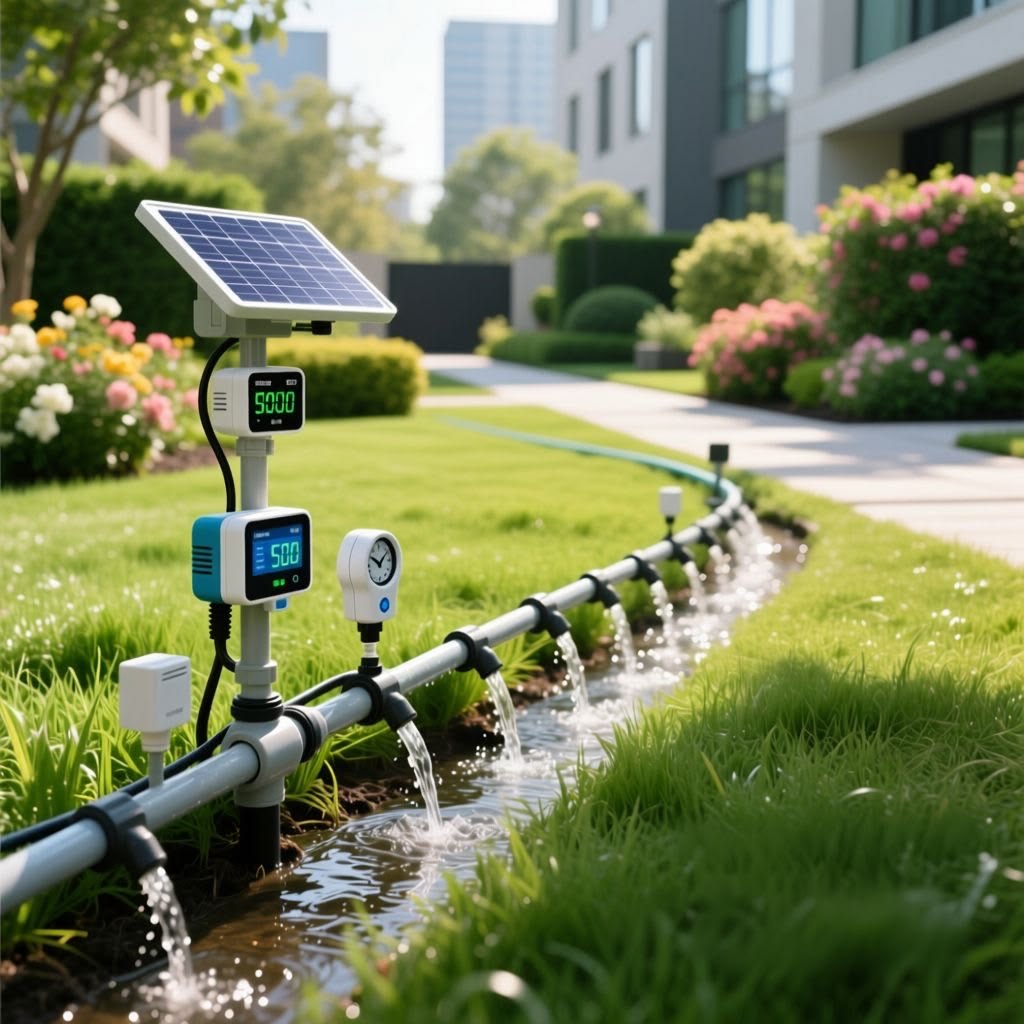
Water is the backbone of every healthy farm, garden, or lawn. Without enough of it at the right time, even the best soil and seeds will fail to grow properly. This is where an irrigation system becomes important. It is a planned way of supplying water to plants instead of depending only on rainfall.
In this guide, we will explain what an irrigation system is, the different types available, how to pick the right one, and how to keep it working well for years.
What Is an Irrigation System?
An irrigation system is a network of pipes, pumps, and devices used to deliver water to crops, plants, or lawns in a controlled manner. Instead of waiting for rain, farmers and gardeners can supply water exactly when and where it is needed.
A good system does three things well:
- Delivers the right amount of water
- Reaches the right depth in the soil
- Wastes as little water as possible
Modern systems can even be automated, turning on and off based on a timer or soil moisture sensors.
Why Irrigation Matters
Rainfall is unpredictable. Some seasons bring too much water, others bring too little. An irrigation system gives growers control over this uncertainty. Here is why it matters:
- Consistent crop growth – Plants get water on a regular schedule, not just when it rains.
- Higher yields – Crops that receive steady moisture tend to produce more.
- Less water waste – Targeted systems like drip irrigation reduce runoff and evaporation.
- Works in dry regions – Areas with low rainfall can still grow crops successfully.
- Saves time and labor – Automated systems reduce the need for manual watering.
Types of Irrigation Systems
There is no single “best” irrigation system. The right choice depends on the crop, soil, budget, and water source. Below are the most common types.
1. Surface Irrigation
This is the oldest and most widely used method. Water flows over the surface of the field by gravity, moving from a higher point to a lower point.
- Low equipment cost
- Simple to set up
- Best suited for flat land
- Common in rice and wheat farming
The downside is that it can waste water through runoff and uneven distribution, especially on sloped or sandy land.
2. Drip Irrigation
Drip irrigation delivers water directly to the base of each plant through small tubes and emitters. It is one of the most water-efficient methods available today.
- Reduces water waste significantly
- Limits weed growth, since only the plant root area gets wet
- Works well for vegetables, orchards, and vineyards
- Higher setup cost than surface irrigation
3. Sprinkler Irrigation
Sprinkler systems spray water through the air, similar to natural rainfall. They use pipes fitted with sprinkler heads spread across the field.
- Good for medium to large farms
- Suitable for a variety of soil types
- Easier to automate than surface irrigation
- Some water loss can occur due to wind and evaporation
4. Subsurface Irrigation
In this method, water is supplied directly below the soil surface through buried pipes or tubes, reaching the root zone without wetting the top layer of soil.
- Minimizes evaporation loss
- Reduces weed growth on the surface
- Requires careful planning and higher initial investment
5. Center Pivot Irrigation
This system uses a long rotating arm fitted with sprinklers, moving in a circular pattern around a central point. It is widely used for large commercial farms.
- Covers large areas efficiently
- Can be automated and remotely controlled
- Expensive to install
- Best suited for flat or gently sloping land
Comparing Irrigation Systems
The table below gives a quick side-by-side comparison to help you decide which system may suit your needs.
| Irrigation Type | Water Efficiency | Setup Cost | Best For | Maintenance Level |
|---|---|---|---|---|
| Surface Irrigation | Low | Low | Flat fields, rice, wheat | Low |
| Drip Irrigation | Very High | Medium–High | Vegetables, fruit orchards | Medium |
| Sprinkler Irrigation | Medium | Medium | Lawns, medium farms | Medium |
| Subsurface Irrigation | High | High | Sensitive crops, dry climates | High |
| Center Pivot Irrigation | Medium–High | Very High | Large commercial farms | High |
Key Components of an Irrigation System
Most irrigation systems, regardless of type, are built from a similar set of core parts:
- Water source – A well, canal, river, pond, or municipal supply
- Pump – Moves water from the source into the system
- Filter – Removes dirt and debris to prevent clogging
- Pipes and tubing – Carry water across the field
- Valves – Control the flow and direction of water
- Emitters or sprinkler heads – Release water to the plants
- Controller or timer – Automates when the system runs (optional but helpful)
How to Set Up a Basic Irrigation System
Setting up an irrigation system does not have to be complicated. Here is a simple step-by-step approach for a small to medium garden or farm:
- Assess your water source – Confirm there is enough water supply for your land size and crop needs.
- Test your soil – Sandy soil drains faster and needs more frequent watering than clay soil.
- Choose the irrigation type – Pick a system based on crop type, budget, and land shape (refer to the comparison table above).
- Plan the layout – Map out where pipes, valves, and emitters or sprinklers will go.
- Install the main pipeline – Connect the water source to the pump and main supply line.
- Add filters and valves – Place filters near the pump to protect the system from clogging.
- Lay out distribution lines – Run secondary pipes or tubing to each section of the field.
- Attach emitters or sprinkler heads – Position them so water reaches the plant roots evenly.
- Test the system – Run water through the entire setup and check for leaks or weak spots.
- Set a schedule – Use a timer or manual schedule based on plant water needs and weather.
Benefits of Using an Irrigation System
- Better water control – You decide when and how much water plants receive.
- Improved crop quality – Consistent watering reduces stress on plants.
- Drought protection – Crops can survive dry spells with stored or pumped water.
- Land use flexibility – Allows farming in regions with unreliable rainfall.
- Reduced soil erosion – Controlled water flow, especially with drip systems, limits soil washout.
Common Problems and How to Fix Them
| Problem | Possible Cause | Simple Fix |
|---|---|---|
| Low water pressure | Clogged filter or leak in pipeline | Clean filters; inspect pipes for leaks |
| Uneven watering | Blocked emitters or misaligned sprinklers | Clean or replace emitters; adjust sprinkler heads |
| Waterlogging | Overwatering or poor drainage | Adjust schedule; improve field drainage |
| High water bills | Inefficient system or leaks | Switch to drip irrigation; fix leaks promptly |
| Algae or clogging in pipes | Stagnant water or dirty source water | Install proper filtration; flush lines regularly |
Tips for Maintaining Your Irrigation System
- Inspect pipes and joints regularly for leaks
- Clean filters every few weeks, or more often in dusty conditions
- Flush the system at the start and end of each growing season
- Check emitters and sprinkler heads for blockages
- Adjust watering schedules with the seasons, since plants need less water in cooler months
- Insulate or drain pipes before winter in cold climates to prevent freezing damage
Frequently Asked Questions
1. What is the most water-efficient irrigation system?
Drip irrigation is generally considered the most water-efficient method, since it delivers water directly to the plant roots with minimal evaporation or runoff.
2. Is irrigation only needed for farming?
No. Home gardens, lawns, parks, and sports fields also use irrigation systems to maintain healthy plant growth, especially in areas with low or irregular rainfall.
3. How often should I water my plants with an irrigation system?
This depends on the plant type, soil, and climate. As a general guide, most plants do well with deep watering 2–3 times a week rather than light watering every day.
4. Can I install an irrigation system myself?
Yes, smaller systems like drip irrigation kits for home gardens are often designed for easy, do-it-yourself installation. Larger farm systems usually benefit from professional planning.
5. How long does an irrigation system last?
With proper maintenance, pipes and components can last 10–15 years or more. Emitters and filters may need replacement sooner due to wear.
6. Does an irrigation system increase crop yield?
Yes. Consistent and well-timed watering generally leads to healthier plants and improved yields compared to relying solely on rainfall.
Conclusion
An irrigation system is one of the most valuable investments for anyone growing crops, vegetables, or even a home lawn. It removes the uncertainty of rainfall and gives you direct control over how much water your plants receive and when they receive it.
There is no one-size-fits-all answer. Surface irrigation works well for simple, flat fields, drip irrigation suits water-conscious gardeners and orchard owners, while sprinkler and center pivot systems serve larger farms efficiently. The right irrigation system for you depends on your budget, land size, crop type, and available water source.
With proper planning, the right components, and regular maintenance, an irrigation system can serve your land reliably for many years, helping plants grow stronger while using water wisely.