
Meditation Gadgets has become a daily habit for millions of people who want less stress, better focus, and emotional balance. While traditional meditation only needs a quiet space and your breath, modern technology has introduced helpful tools that make the practice easier and more effective.
These tools are known as meditation gadgets. They are designed to support relaxation, improve focus, track progress, and create the perfect environment for mindfulness.
In this guide, you will learn what meditation gadgets are, how they work, their benefits, and which ones are worth trying.
What Are Meditation Gadgets?
Meditation gadgets are devices or tools that help you meditate more effectively. They use technology such as sound, light, vibration, or biofeedback to guide your mind into a calm and focused state.
Some gadgets help beginners learn meditation, while others help experienced users go deeper into relaxation.
Common examples include:
- Meditation headbands
- Smart breathing trainers
- White noise machines
- Smart lamps for relaxation
- Meditation apps with devices
- Sound healing speakers
- Wearable stress trackers
Why Meditation Gadgets Are Becoming Popular
Modern life is fast, noisy, and stressful. Many people struggle to sit quietly and focus during meditation. That’s where technology helps.
Here are some reasons why these tools are trending:
- They make meditation easier for beginners
- They reduce distractions
- They provide guided breathing support
- They track stress and progress
- They help build a consistent habit
Instead of guessing whether you are doing it right, these gadgets give real-time feedback.
Types of Meditation Gadgets
Let’s explore the most popular categories of meditation gadgets and how they work.
1. Meditation Headbands
These are wearable devices that track brain activity. They often use EEG (electroencephalogram) sensors.
How they help:
- Measure brain waves
- Show when your mind is calm or distracted
- Provide audio feedback (calming sounds when focused)
Best for:
- Beginners who struggle to focus
- People who want data-driven meditation
2. Smart Breathing Trainers
These gadgets guide your breathing rhythm using light, vibration, or sound.
How they help:
- Teach deep breathing techniques
- Reduce anxiety
- Improve oxygen flow
Best for:
- Stress relief
- Anxiety control
- Sleep preparation
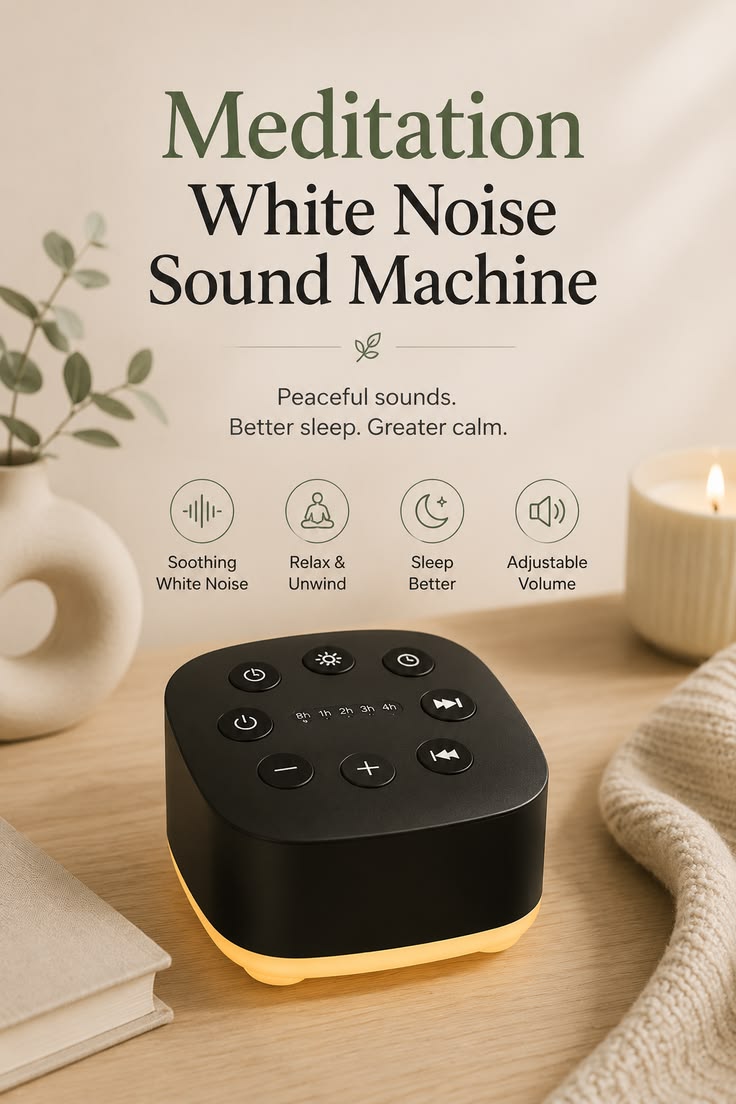
3. White Noise and Sound Machines
These devices create calming background sounds like rain, ocean waves, or forest sounds.
How they help:
- Block outside noise
- Improve focus
- Create a peaceful environment
Best for:
- People living in noisy areas
- Deep relaxation sessions
- Sleep meditation
4. Smart Lighting Devices
These gadgets use soft lights and color therapy to influence mood.
How they help:
- Create calming ambiance
- Guide breathing patterns with light pulses
- Support sleep cycles
Best for:
- Evening meditation
- Sleep improvement
- Mood balancing
5. Meditation Apps with Devices
Some apps connect with wearables or smart gadgets to enhance meditation sessions.
How they help:
- Provide guided meditation sessions
- Track progress over time
- Offer personalized recommendations
Best for:
- Structured meditation practice
- Beginners needing guidance
6. Wearable Stress Trackers
These gadgets monitor heart rate variability (HRV), stress levels, and body signals.
How they help:
- Show stress in real time
- Suggest breathing exercises
- Help manage emotional balance
Best for:
- Busy professionals
- People with anxiety
- Fitness and wellness tracking
How to Use Meditation Gadgets Effectively
Even the best meditation gadgets won’t help if you don’t use them correctly. Here are simple steps to get started:
Step 1: Choose a Quiet Space
Find a place where you won’t be disturbed. Turn off notifications and distractions.
Step 2: Set Up Your Gadget
- Charge your device
- Connect it to an app if needed
- Adjust settings based on your comfort level
Step 3: Start with Short Sessions
Begin with 5–10 minutes daily. Don’t try long sessions at first.
Step 4: Follow the Guidance
Let the gadget guide you:
- Follow breathing lights
- Listen to sound cues
- Observe feedback from sensors
Step 5: Stay Consistent
Use the gadget at the same time every day to build a habit.
Step 6: Reflect on Progress
Check your app or device reports weekly to see improvement in stress levels and focus.
Benefits of Using Meditation Gadgets
Using meditation gadgets can improve your meditation experience in many ways.
Mental Benefits
- Reduced stress and anxiety
- Better emotional control
- Improved focus and clarity
Physical Benefits
- Lower heart rate
- Better sleep quality
- Reduced muscle tension
Lifestyle Benefits
- Builds daily routine
- Improves productivity
- Encourages mindfulness habits
Comparison of Popular Meditation Gadgets
Here is a simple comparison table to help you understand which gadget might suit you best:
| Gadget Type | Main Function | Best For | Difficulty Level |
|---|---|---|---|
| Meditation Headbands | Brainwave tracking | Focus improvement | Medium |
| Breathing Trainers | Guided breathing | Stress relief | Easy |
| White Noise Machines | Sound environment control | Sleep & relaxation | Very Easy |
| Smart Lighting Devices | Mood & light therapy | Evening meditation | Easy |
| Meditation Apps | Guided meditation sessions | Beginners | Very Easy |
| Stress Trackers | Heart rate & stress monitoring | Health monitoring | Medium |
Are Meditation Gadgets Really Necessary?
This is a common question.
The simple answer is: No, they are not necessary—but they can be very helpful.
You can meditate without any tools. However, meditation gadgets can:
- Make it easier to stay focused
- Help beginners learn faster
- Improve consistency
- Provide motivation through feedback
Think of them as “training wheels” for your mind. Once you become comfortable, you may not need them as much.
Common Mistakes to Avoid
Many people do not get results because they misuse meditation gadgets. Avoid these mistakes:
- Relying completely on gadgets without practicing mindfulness
- Using too many devices at once
- Expecting instant results
- Skipping daily practice
- Overcomplicating the setup
Remember, gadgets are support tools—not replacements for meditation itself.
Tips for Choosing the Right Meditation Gadget
Before buying, consider the following:
- Your experience level (beginner or advanced)
- Your budget
- Portability (home use or travel-friendly)
- App compatibility
- Battery life
- Ease of use
If you are a beginner, start simple with a breathing trainer or meditation app device. Advanced users can explore brainwave headbands or stress trackers.
Future of Meditation Technology
Meditation technology is evolving quickly. In the future, we may see:
- AI-powered meditation coaches
- More accurate brain-sensing devices
- Virtual reality meditation environments
- Personalized stress prediction systems
These innovations will make mindfulness more accessible and effective for everyone.
FAQs About Meditation Gadgets
1. What are meditation gadgets used for?
They are used to support meditation by improving focus, reducing stress, and guiding breathing or relaxation techniques.
2. Do beginners need meditation gadgets?
No, but beginners often find them helpful because they provide structure and guidance.
3. Can meditation gadgets replace traditional meditation?
No. They support meditation but cannot replace mindfulness practice itself.
4. Are meditation gadgets expensive?
Some are affordable like apps and breathing tools, while advanced headbands or smart devices can be more expensive.
5. Which is the best meditation gadget for stress relief?
Breathing trainers and white noise machines are usually the most effective for immediate stress relief.
Conclusion
Meditation is one of the simplest and most powerful ways to improve mental well-being. However, many people struggle with focus and consistency.
This is where meditation gadgets can make a real difference. From breathing trainers to smart headbands and calming sound machines, these tools help you build a stronger and more effective meditation habit.
The key is not to depend on technology completely but to use it as a guide. When combined with regular practice, meditation gadgets can help you reduce stress, improve focus, and create a calmer lifestyle.
If you are just starting your mindfulness journey, choosing the right gadget could be the first step toward a more peaceful mind.